_edited.jpg)
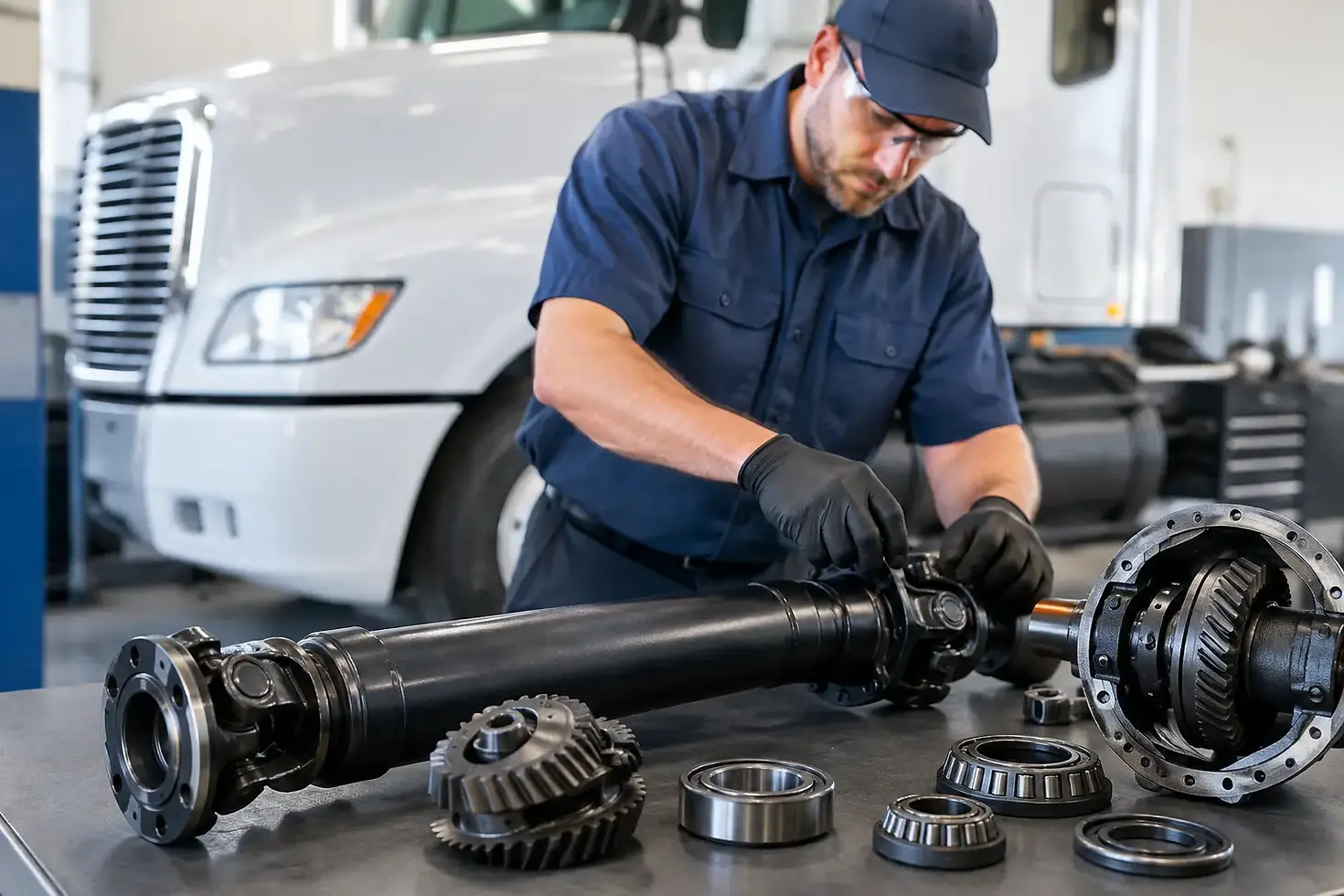
Commercial Driveline Rebuild Guide for Fleets
A commercial driveline rebuild guide should start with one practical fact: when a work truck, delivery vehicle, service van, or heavy-duty unit is down, the cost is bigger than the repair bill. Missed routes, delayed jobs, unhappy customers, and idle employees add up fast. The right rebuild plan is about restoring dependable power delivery and getting the vehicle back to work with confidence.
For fleet operators across Texas, Oklahoma, and Louisiana, a commercial driveline problem deserves more than a quick patch. The transmission, differential, transfer case, driveshaft components, and related geartrain systems work together under heavy loads. A failure in one area can create stress elsewhere, which is why specialized inspection and rebuild work matter.
What a Commercial Driveline Rebuild Covers
A commercial driveline rebuild is not one standard service. The proper scope depends on the vehicle, the work it performs, the load it carries, its mileage, and the condition of connected components. A work truck that pulls equipment every day has different needs than a passenger van running local deliveries. A four-wheel-drive service vehicle may also require close attention to its transfer case and related driveline components.
The rebuild process begins with professional geartrain diagnosis. The goal is to identify the actual source of the failure and determine whether the issue is isolated or has affected related parts. That matters because replacing one damaged component without addressing the cause can lead to another costly breakdown later.
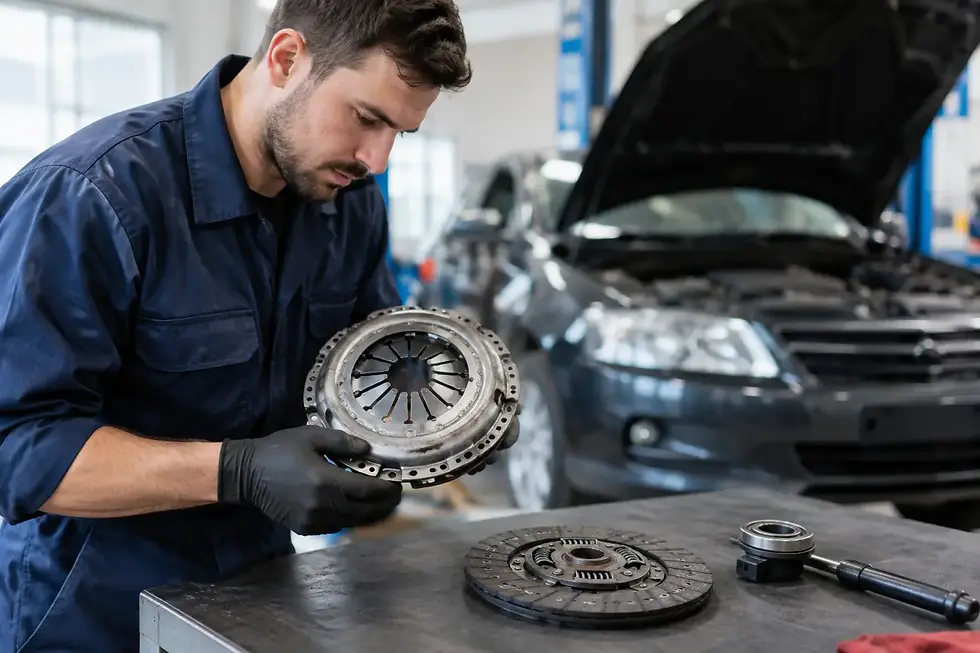
From there, an experienced rebuild shop evaluates the condition of the unit, confirms the correct repair path, and rebuilds or repairs the affected system using quality components. Depending on the vehicle, that may involve transmission rebuild work, differential repair, transfer case repair, clutch service for standard transmissions, or related driveline service. The best approach is never a one-size-fits-all answer. It is the repair plan that fits the vehicle's actual workload.
Why Commercial Rebuild Quality Matters
Commercial vehicles do not get an easy life. They idle, haul, tow, run loaded, stop and start repeatedly, and spend long hours on the road. Those conditions put steady pressure on geartrain systems. A repair that looks less expensive at the start can become the costly choice if it does not hold up to the vehicle's daily demands.
Quality rebuild work comes down to correct diagnosis, skilled technicians, proper parts selection, clean assembly practices, and careful attention to the whole system. It also means being honest about what the vehicle needs. In some cases, a targeted repair is appropriate. In others, a complete rebuild is the better value because wear or damage has moved beyond a single part.
Fleet owners should also consider the cost of repeated downtime. A unit that returns to service quickly but fails again shortly afterward is not truly back on the road. Durable rebuild quality helps protect schedules, customer commitments, and the bottom line.
Rebuild or Replacement: The Right Answer Depends
There are times when a rebuild makes the most sense because it restores the existing unit with the right internal repairs and components. There are other situations where a remanufactured transmission or replacement unit may be the better path. The decision should be based on the specific vehicle, availability, damage level, intended use, and turnaround needs.
For a business owner, the useful question is not simply, “What is cheapest today?” It is, “What repair gives this vehicle the best chance to stay productive?” A specialized shop should explain the options plainly, including the trade-offs in cost, timing, and warranty coverage.
A Commercial Driveline Rebuild Guide for Managing Downtime
The most effective way to manage a commercial driveline repair is to work with a shop built for this kind of service. General repair facilities can handle many routine vehicle needs, but commercial transmission and driveline work requires focused geartrain experience, equipment, parts access, and enough capacity to keep jobs moving.
When a unit comes in, clear communication helps the repair move forward. Fleet managers and owners should be prepared to discuss how the vehicle is used, whether it hauls or tows, the kind of routes it runs, and whether the repair is being handled through an extended warranty provider. That information helps the shop match the repair plan to real-world use and coordinate the process efficiently.
Timing matters, but so does doing the job correctly. A fast turnaround is valuable when it comes from a large, capable operation with the technicians and facility space to handle commercial work properly. It should not come from skipping the inspection or cutting corners on rebuild quality.
Warranty Coverage Is Part of the Repair Decision
A commercial rebuild should come with warranty protection that supports the investment. Warranty terms give owners a clear picture of the shop's confidence in its workmanship and help reduce risk after the vehicle returns to service.
Barton's Transmission & Supply LLC backs qualifying rebuild work with a standard 3-year/36,000-mile warranty, with options available up to 3 years/100,000 miles. The team also works with all extended warranty companies and is a preferred vendor for many providers. For businesses operating work vehicles, that support can make the authorization and repair process easier to manage.
Warranty coverage does not replace proper maintenance or change the demands placed on a heavily worked vehicle. It does, however, provide meaningful peace of mind when choosing where to take a transmission, differential, transfer case, clutch, or commercial driveline concern.
Choosing a Shop for Commercial Geartrain Work
The right shop should be able to handle more than the immediate symptom. Look for a team that specializes in transmissions and drivelines, performs professional diagnosis, understands commercial applications, and has the parts and rebuild capability to complete the work under one roof.
Capacity is another practical consideration. A shop with limited space or limited personnel may struggle when several commercial jobs arrive at once. For operators who cannot afford extended downtime, facility size and staffing directly affect turnaround.
Barton's Transmission & Supply has served the tri-state area for 50 years from its 17,000-square-foot facility at 1900 S. 3rd Street in Mabank, Texas, across from Tractor Supply. With 14 lifts, a large staff, specialized geartrain experience, and parts supply available for repair needs, the shop is equipped to handle standard, heavy-duty, and commercial rebuild work without treating it like a sideline.
That specialization matters when the vehicle is part of how you make a living. Whether the unit is a fleet truck, work van, towing vehicle, or commercial service vehicle, the repair needs to be built around reliability rather than guesswork.
Keep Your Fleet Moving With the Right Repair Partner
A driveline failure can disrupt an entire workday, but the repair process does not have to add more uncertainty. Bring commercial transmission and driveline concerns to a shop that can evaluate the complete geartrain, explain the repair path clearly, and stand behind the work.
For dependable commercial rebuild service, fast turnaround capacity, and long warranty options, visit Barton's Transmission & Supply in Mabank. A properly rebuilt driveline is not just a repair - it is the support your business needs to keep the next job, route, and load moving forward.


Comments