_edited.jpg)

Can Extended Warranty Cover Transmission?
When the transmission starts slipping, hesitating, or refusing to shift right, one of the first questions people ask is simple - can extended warranty cover transmission repairs? Sometimes yes, sometimes no, and the answer usually comes down to the exact contract, the cause of the failure, and whether the repair shop knows how to work with warranty companies the right way.
For most drivers, this is not just about paperwork. It is about whether you can get back to work, pick up your kids, keep your truck moving, or avoid a major out-of-pocket repair bill. That is why warranty claims on transmission work need straight answers and experienced handling, not guesswork.
Can extended warranty cover transmission problems?
In many cases, an extended warranty can cover transmission repairs because the transmission is one of the major powertrain components most plans are built around. That said, coverage is never automatic. Some contracts cover internal transmission components but not every related part. Others cover replacement or rebuild costs only after inspection and approval.
The biggest mistake drivers make is assuming every transmission issue is covered just because they bought an extended warranty. The second biggest mistake is assuming nothing is covered and delaying service until the damage gets worse. Both can cost you time and money.
A transmission claim often depends on details like whether the failed part is listed in the contract, whether the breakdown is considered mechanical failure instead of wear, and whether maintenance requirements were followed. If there is contamination, pre-existing damage, overheating from another failed system, or a non-covered component causing the problem, the claim may get complicated quickly.
What transmission parts are usually covered
Many extended warranty plans, especially powertrain plans, commonly include major internal transmission components. That may include items such as gears, shafts, clutch packs, torque converter components, valve body-related internals on some plans, and other hard parts involved in the unit's operation. In stronger exclusionary plans, coverage can be broader.
But this is where real-world claims get tricky. One policy may cover the main failed component yet deny related items needed to complete the repair. Another may pay for the transmission itself but question sensors, wiring, mounts, fluid, diagnostics, or shop supplies. Some contracts also place limits on labor time, part type, or hourly reimbursement.
This is why contract language matters more than the sales pitch you heard when the plan was sold.
What may not be covered under an extended warranty
Wear items, maintenance-related issues, and outside causes are common reasons for denied or reduced claims. If a warranty company says the failure happened because of neglected maintenance, contaminated fluid, abuse, towing beyond limits, or a non-covered part, they may refuse all or part of the repair.
Seals and gaskets can be another gray area. Some plans cover them only when required as part of a covered repair. Others exclude them unless a specific failure condition is met. Electronics can also vary. A modern transmission depends on electrical and computer controls, but not every contract treats those parts the same way.
Commercial use, modified vehicles, and pre-existing conditions can also affect approval. That matters for work trucks, fleet vehicles, and drivers who rely on heavy-duty use every day.
Why transmission warranty claims get denied
Transmission repairs are expensive enough that warranty companies usually look closely at the cause of failure. They may request teardown information, photos, fluid condition notes, and verification from the repair facility before approving anything. If the documentation is weak or the shop is not experienced with claim procedures, delays and denials are more likely.
Another issue is miscommunication. Customers are sometimes told, "you have coverage," when what they really have is the right to submit a claim for review. Approval still has to happen. The contract administrator may send an inspector, ask for additional diagnosis, or challenge whether the failed part is covered.
That is one reason specialized transmission shops matter. A shop that handles these claims regularly understands what warranty companies ask for, how to document failure properly, and how to keep the process moving.
Why the repair shop matters as much as the warranty
A warranty contract is only part of the equation. The other part is whether the shop doing the work knows transmissions and knows warranty claim procedures. Transmission and driveline failures are not general repair issues. They require specialized inspection, accurate documentation, and the ability to explain the mechanical failure clearly.
That is where Barton's Transmission & Supply LLC brings real value. With 50 years in business, a large state-of-the-art 17,000-square-foot facility, 14 lifts, and a large staff, Barton's is built to handle transmission and driveline work efficiently. The team works with all extended warranty companies and is a preferred vendor for many of them, which helps customers across Texas, Oklahoma, and Louisiana move through the process with less confusion.
If your vehicle is showing signs of transmission trouble, bringing it to a dedicated transmission specialist gives you a better shot at an accurate repair plan and a smoother warranty claim experience.
Can extended warranty cover transmission rebuild or replacement?
Yes, an extended warranty can cover transmission rebuild or replacement in many situations, but approval depends on the policy terms and the condition of the unit. Some plans authorize repair of the failed components. Others may approve a rebuild, a replacement transmission, or a remanufactured unit if that is the accepted repair method under the contract.
It also depends on the level of damage. A minor internal failure may be handled one way, while widespread internal damage may justify a different repair path. Warranty companies often want the most cost-effective covered option, which does not always match what the customer expects at first.
That is another reason to work with a shop that can communicate directly with the warranty provider, document the failure correctly, and explain why the right repair is needed for long-term reliability.
What to expect when you bring your vehicle in
The first step is not guessing. It is having the vehicle inspected by a transmission professional who can identify the concern and determine what information the warranty company needs. From there, the repair facility can contact the warranty provider, confirm contract details, and begin the claim process.
Depending on the plan, the warranty company may approve inspection time, request a teardown, send an inspector, or ask for photos and failure notes before authorizing repairs. That can take time, but experienced shops know how to keep the process organized.
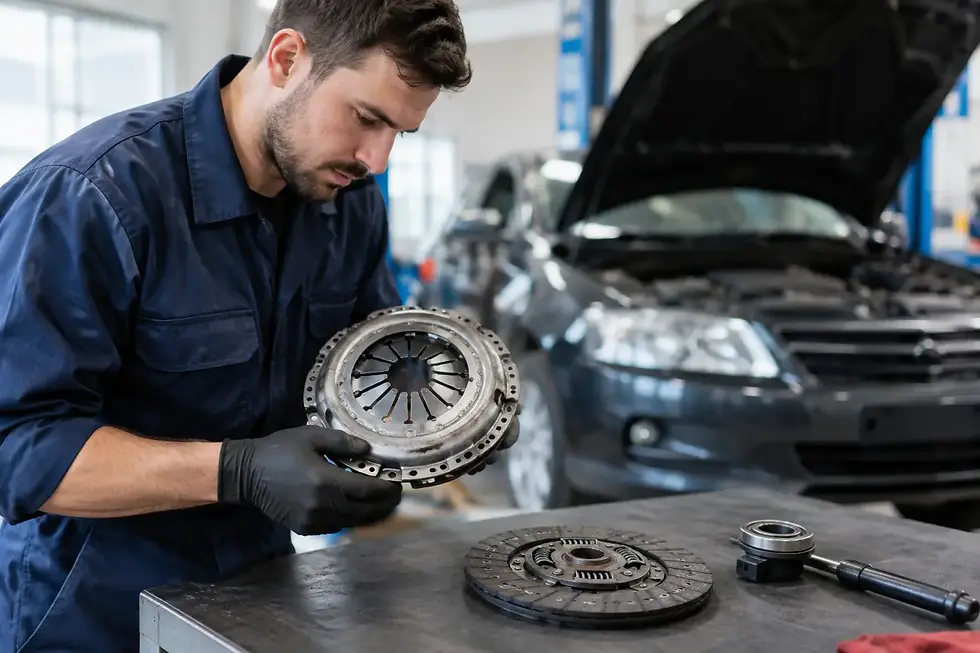
At Barton's Transmission and Supply, the focus is straightforward: identify the issue, work with the warranty company, and get you back on the road as quickly as possible with quality repairs. The shop handles automatic transmissions, standard transmissions, differentials, transfer cases, clutch replacement, commercial and heavy-duty rebuilds, and fleet gear train service. For customers who need dependable work, that specialization matters.
Coverage helps, but workmanship still matters
Even when an extended warranty pays part or most of the bill, the quality of the repair still matters more than the approval number. A poor rebuild is still a poor rebuild, covered or not. Fast paperwork does not replace experienced technicians, proper parts, or durable workmanship.
That is why customers in the Northeast Texas market and the surrounding tri-state area look for a shop that stands behind the work. Barton's offers a long standard warranty of 3 years or 36,000 miles, with options up to 3 years or 100,000 miles. That kind of backing gives customers added confidence beyond the third-party contract.
The shop also offers quick turnaround, financing support, and parts supply for customers who need driveline and transmission-related components. Located at 1900 S. 3rd Street in Mabank, Texas, across from Tractor Supply, Barton's serves drivers who need experienced transmission help without the runaround. Se habla español.
The smart move if you think you have coverage
If you are asking whether an extended warranty can cover transmission repair, the best move is to act early. Waiting for a slipping, hard-shifting, or failing transmission to get worse can turn a manageable claim into a larger repair with more questions from the warranty company.
Bring the vehicle to a transmission specialist, bring your warranty information, and let an experienced team handle the inspection and communication. Barton's Transmission & Supply LLC works with extended warranty companies every day and is equipped to help customers through the process from diagnosis to completed repair. Ask about current promotions, warranty-backed rebuild options, and fast scheduling so you can get back on the road with confidence.
A good warranty can help with the bill, but the right shop helps with the outcome.


Comments