_edited.jpg)

Automatic vs Manual Transmission Repair: What to Expect
A transmission problem can take a dependable truck, work vehicle, or family car out of service without much warning. Automatic vs manual transmission repair is not simply a question of which repair costs less. The systems work differently, fail differently, and require different parts, testing, and rebuild procedures. What they have in common is this: a transmission concern deserves attention from a shop that works with drivetrains every day.
For drivers across Northeast Texas and the surrounding Oklahoma, Louisiana, and Texas service area, Barton’s Transmission & Supply LLC provides specialized transmission and geartrain repair backed by 50 years in business. Our large Mabank facility is built for this work, with 14 lifts in 17,000 square feet and a staff focused on getting vehicles diagnosed, rebuilt, and back on the road as quickly as possible.
Why Automatic and Manual Repairs Are Different
An automatic transmission manages gear changes through a complex combination of hydraulic pressure, internal clutch packs, valves, electronic controls, sensors, and in many vehicles, a torque converter. Modern automatic transmissions may also communicate constantly with the engine and vehicle computer. A concern that feels like a simple shift problem can involve worn internal components, a control issue, fluid pressure loss, or damage elsewhere in the driveline.
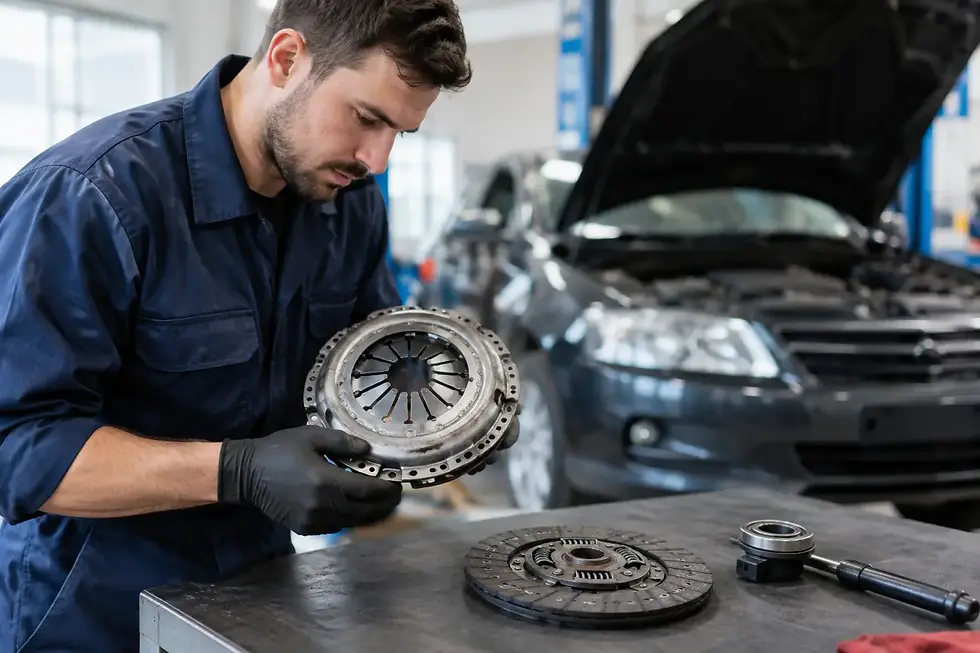
A manual transmission uses a different setup. The driver selects the gears, while the clutch, flywheel, pressure plate, release components, shifter linkage, synchronizers, bearings, and gears all need to work together correctly. A manual transmission repair may involve the transmission itself, but it can also require clutch replacement or attention to related driveline parts.
That is why the right repair starts with professional geartrain diagnosis. Replacing one visible part without understanding the condition of the complete system can leave the original problem unresolved or lead to another failure later.
Automatic Transmission Repair Often Requires More System Testing
Automatic transmissions generally contain more control components and hydraulic circuits than standard transmissions. That does not mean every automatic repair requires a full rebuild, but it does mean the repair process often requires a broader evaluation. The technician needs to determine whether the problem is internal, electronic, hydraulic, or connected to another vehicle system.
When internal damage is present, a quality automatic transmission rebuild is more than replacing a single worn item. It calls for careful inspection, cleaning, measurement, replacement of damaged components, and reassembly using parts that meet the demands of the vehicle. The torque converter and cooling system may also need attention, because contamination or an unresolved cooling concern can put a rebuilt transmission at risk.
For truck owners, commuters, and fleet operators, this level of work matters. An automatic transmission that is rebuilt correctly is meant to provide dependable service, not just get through the next few weeks. Barton’s custom rebuild capability allows the repair to be matched to the application, whether that is a daily driver, a work truck, or a commercial vehicle carrying real operating demands.
Manual Transmission Repair Can Involve the Clutch and Driveline
Manual transmission concerns are sometimes mistaken for clutch problems, and clutch problems can sometimes feel like transmission trouble. The difference matters because the proper repair depends on where the wear or damage is located. A grinding shift, difficulty selecting gears, abnormal noise, or loss of drive should be evaluated as a complete manual transmission and clutch system, not treated as an isolated complaint.
A standard transmission rebuild may require service to internal bearings, synchronizers, shafts, gears, seals, or other hard parts. In other cases, clutch replacement and related components are the main need. The flywheel, release system, and transmission mounting components should be considered as part of a professional repair plan when applicable.
Manual systems can appear simpler than automatics, but heavy use, towing, commercial driving, and age can create substantial wear. A repair shop with standard transmission experience can identify the work that is actually needed and avoid treating a serious internal issue as a minor clutch job.
Cost Depends on Damage, Vehicle Type, and Repair Scope
There is no honest one-price answer for automatic vs manual transmission repair. In many passenger vehicles, manual transmission work may involve fewer electronic components and a more straightforward internal design. On the other hand, a clutch job can still be labor-intensive, especially when access requires removal of major components.
Automatic repairs can cost more when an overhaul requires extensive internal parts, valve body work, electronic components, or torque converter replacement. Some vehicles also use transmission designs with specialized parts and procedures. Heavy-duty trucks, commercial applications, four-wheel-drive systems, and performance-oriented vehicles can add more variables to either type of repair.
The best value is not always the lowest initial estimate. A repair should account for the condition of the unit, the quality of replacement components, the labor required to do the job correctly, and the warranty standing behind the work. A short-term patch may cost less at the start but become expensive if it does not address the cause of the failure.
Transfer Cases and Differentials May Be Part of the Problem
The transmission is only one part of the drivetrain. Four-wheel-drive and all-wheel-drive vehicles rely on transfer cases, driveshafts, differentials, and related components to send power where it needs to go. A concern that seems to come from the transmission can sometimes involve another geartrain component, particularly on trucks and work vehicles.
Barton’s Transmission & Supply handles differential rebuilds and repairs, transfer case repair, clutch replacement, and driveline-related service in addition to automatic and standard transmission rebuilds. That specialized coverage is valuable because the repair team can look at the vehicle as a complete power-delivery system. It also helps reduce delays caused by sending different portions of the job to different shops.
Fleet and Heavy-Duty Repairs Need a Different Standard
When a vehicle is part of a business, downtime affects more than the driver. It affects deliveries, job schedules, payroll, and customer commitments. Fleet vehicles and commercial trucks often face heavier loads, more stop-and-go driving, towing demands, and higher annual mileage than personal vehicles.
A heavy-duty transmission repair needs to reflect those conditions. Barton’s provides fleet vehicle geartrain services and heavy-duty commercial rebuilds for customers who need practical turnaround and durable workmanship. Our facility and staffing are designed to keep repair work moving, while the rebuild itself is handled with the attention needed for demanding service.
Warranty Coverage Helps Protect Your Repair Investment
Transmission repair is a major decision. Customers deserve clear support after the work is complete, especially when their vehicle is essential for work or family transportation. Barton’s standard warranty is 3 years or 36,000 miles, with options available up to 3 years or 100,000 miles on qualifying work.
We also work with all extended warranty companies and are a preferred vendor for many of them. If your vehicle has extended warranty coverage, our team can help coordinate the repair process and provide the information needed for the claim. That can make a difficult vehicle problem more manageable without sacrificing the quality of the repair.
Bring Transmission Concerns to a Specialized Shop
Whether your vehicle has an automatic, manual, heavy-duty, or four-wheel-drive drivetrain, the goal is the same: dependable power on the road. Barton’s Transmission & Supply LLC is located at 1900 S. 3rd Street in Mabank, Texas, across from Tractor Supply. We serve English- and Spanish-speaking customers and offer financing support for qualifying repairs.
If your vehicle is showing transmission, clutch, transfer case, or differential concerns, bring it to a team that has spent five decades focused on this work. A professionally planned repair, quality rebuild, and strong warranty can help you move forward with confidence and get back to the road that matters.


Comments