_edited.jpg)

Fleet Transmission Maintenance Guide for Work Trucks
A truck that cannot move does not earn. For contractors, delivery operations, ranches, service companies, and small business fleets, this fleet transmission maintenance guide is about protecting uptime before a driveline problem becomes a missed job, delayed delivery, or stranded driver.
Transmission and geartrain maintenance is not a one-size-fits-all calendar item. A lightly used service van, a hot-shot truck pulling daily loads, and a work truck operating in stop-and-go traffic put very different demands on their transmissions. The right maintenance plan considers the vehicle, the load, the route, and the miles.
Why Fleet Transmission Maintenance Deserves Attention
Transmission problems rarely arrive at a convenient time. A component may wear gradually while the vehicle keeps running, then reach a point where it can no longer perform under load. By the time a truck loses movement, slips during operation, will not shift correctly, or develops a drivetrain concern, the interruption can affect far more than one repair bill.
A fleet maintenance program gives owners and managers a way to control that risk. Regular professional service helps monitor the condition of transmission fluid and related driveline systems, while scheduled inspections create a record of what has been serviced and when. That record can also be useful when managing extended warranty coverage or planning vehicle replacement cycles.
The goal is not to service parts unnecessarily. It is to service them according to how the fleet is actually used. Vehicles that tow, haul, idle for extended periods, travel rough roads, or operate in high heat often require more attention than personal-use vehicles with similar mileage.
Build Service Around Duty Cycle, Not Just Mileage
Mileage matters, but it does not tell the whole story. Fleet vehicles can accumulate wear without adding many miles, especially when they spend long hours in traffic, on job sites, or under load. Heat is one of the biggest concerns in transmission operation, and hard-working vehicles create more of it.
A practical maintenance schedule should account for the vehicle manufacturer’s recommendations first, then adjust for severe use. Fleet managers should keep clear service records for each unit, including transmission and driveline service dates, operating mileage, towing or payload demands, and any prior repair history. Consistent records make it easier to schedule downtime instead of reacting to a failure.
It also helps to group vehicles by use. A pickup assigned to light estimates and customer visits should not necessarily follow the same schedule as a truck pulling equipment across Texas, Oklahoma, and Louisiana. Separate schedules are more useful than treating every vehicle in the fleet alike.
Watch for Changes in Vehicle Performance
Drivers are often the first people to notice that a vehicle is not behaving normally. Encourage them to report changes promptly rather than waiting for the next scheduled service. Concerns may include delayed engagement, unusual shifting behavior, new noises during operation, vibrations, fluid leaks, or a warning light.
These signs do not point to one single repair, and that is why a professional inspection matters. Transmission, transfer case, differential, clutch, driveshaft, and other geartrain concerns can overlap. Guessing or continuing to operate a vehicle with a developing concern can turn a manageable service appointment into a more extensive repair.
For fleet managers, a simple reporting process is usually best. Drivers should know who to notify, how to describe when the concern occurs, and whether the vehicle should be removed from service. Fast communication gives the repair shop better information and helps prevent a small concern from becoming a roadside problem.
Include the Whole Driveline in Your Fleet Plan
The transmission is a major part of the powertrain, but it does not work alone. Fleet maintenance should also account for the components that deliver power to the wheels. Depending on the vehicle, that can include differentials, transfer cases, clutch systems, driveshafts, and related components.
This matters especially for four-wheel-drive work trucks, commercial vehicles, and units that operate under heavy loads. A transfer case or differential issue can create symptoms that a driver may describe as a transmission issue. A specialized geartrain shop can evaluate the system as a whole and identify the repair path based on the actual condition of the vehicle.
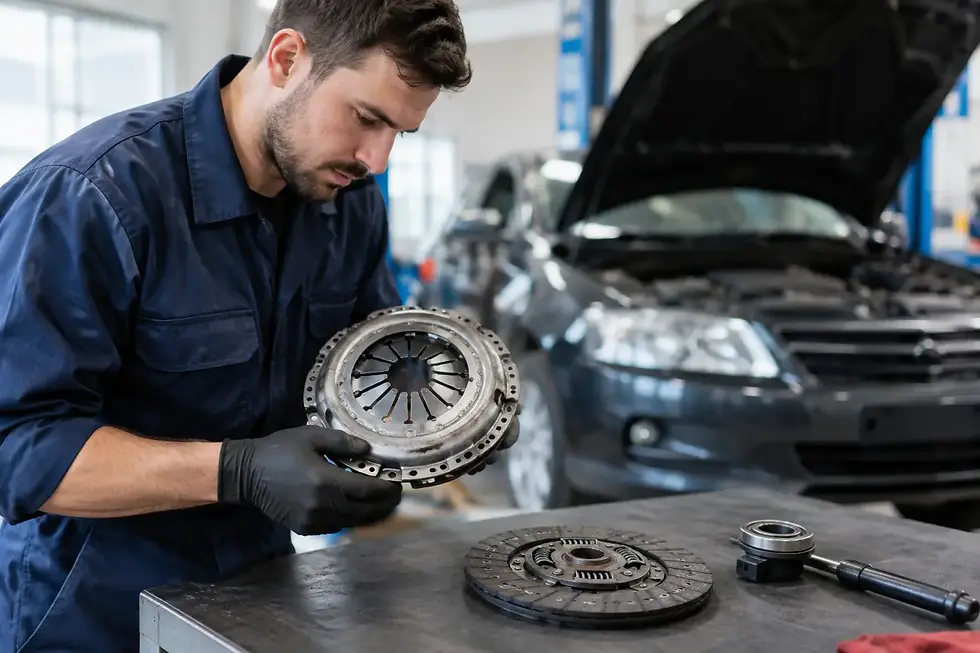
For standard transmission fleet vehicles, clutch condition and operating demands deserve particular attention. For automatic transmissions, fluid condition, cooling performance, and shifting operation are key parts of a professional maintenance review. The best service plan depends on the equipment and how it earns its keep.
Plan Downtime Before It Plans You
Preventive maintenance is most useful when it fits the operation. Schedule service during lower-demand periods, rotate vehicles when possible, and avoid waiting until every truck needs attention at once. A planned appointment is easier to manage than an unexpected tow or an emergency replacement vehicle.
When a transmission or driveline repair is needed, choose a shop with the space, staff, and specialized experience to handle fleet work efficiently. General repair facilities may handle routine vehicle services, but complex transmission and geartrain concerns require focused knowledge, proper equipment, and rebuild capability.
Barton’s Transmission & Supply LLC has served the tri-state area for 50 years with specialized transmission, driveline, transfer case, differential, clutch, and commercial vehicle services. Located at 1900 S. 3rd Street in Mabank, Texas, across from Tractor Supply, the 17,000-square-foot facility includes 14 lifts and a large staff to support quick turnaround for working vehicles. The team handles custom rebuilds, heavy-duty and commercial rebuilds, regular maintenance, and parts needs for fleet operators across Northeast Texas and beyond.
Protect Your Repair Investment With the Right Shop
A maintenance plan reduces risk, but no fleet can eliminate mechanical wear. When a repair is needed, the quality of the rebuild and the warranty behind it should be part of the decision. Low-cost shortcuts can create repeat downtime, particularly for trucks that return to towing, hauling, and high-mileage service.
A specialized shop can assess whether the vehicle needs maintenance, repair, or a complete rebuild based on its condition and intended use. That distinction matters. Some fleet vehicles need a focused repair to return to service, while others need a more comprehensive solution built for the work ahead.
Barton’s standard warranty is 3 years or 36,000 miles, with warranty options up to 3 years or 100,000 miles on qualifying work. The shop works with all extended warranty companies and is a preferred vendor for many of them. That support can make a major repair easier to manage while giving fleet owners more confidence in the work being performed.
Make Maintenance a Fleet Standard
The best time to create a transmission maintenance process is before a vehicle is down. Review each unit’s service history, identify trucks used for severe duty, and establish a clear point of contact for driver-reported concerns. Then work with a transmission and driveline specialist that understands the cost of downtime.
For fleets in Mabank and the surrounding Texas, Oklahoma, and Louisiana service area, Barton’s Transmission & Supply offers the specialized capacity, long warranty coverage, and experienced workmanship needed to keep work vehicles moving. Bring in the vehicle when something changes, and give your fleet the advantage of a repair plan built around dependable miles ahead.


Comments